

 Send Inquiry


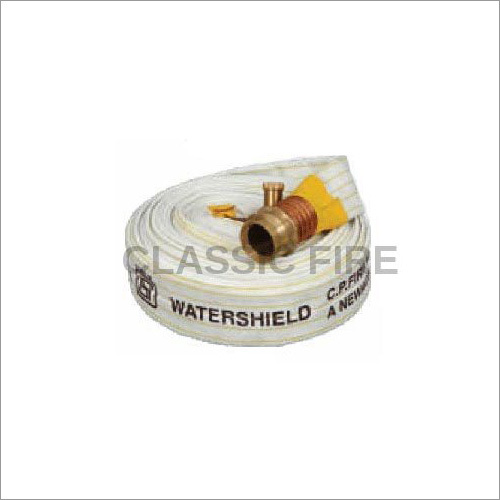
Product Details:
- Control Type Automatic percolation, semi-control
- Fire Class A, B, C
- Material PVC Polymer
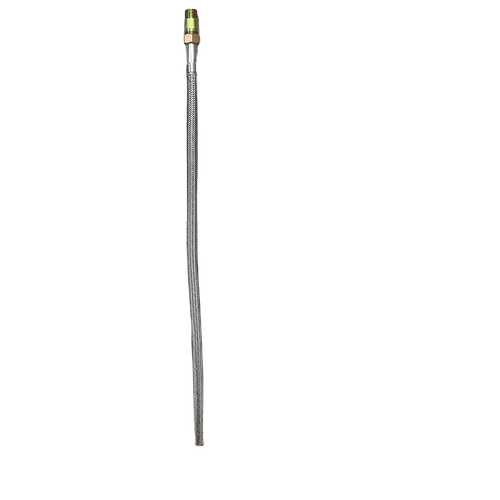
- Shape Round hose pipe
- Operating Pressure Up to 15 kg/cm2
- Features Flexible, lightweight, abrasion and heat resistant, self-cooling
- Color White
X
Controlled Percolating Hose Pipe Product Specifications
- A, B, C
- -10C to +60C
- Controlled Percolating Hose Pipe
- Controlled percolation (weeping) fabric
- Variable (depends on length and pressure)
- Automatic percolation, semi-control
- Up to 400 l/min
- Fire Fighting
- Up to 15 kg/cm2
- Hose pipe for water delivery
- Firefighting, controlled irrigation, water distribution
- White
- Quick connect, layflat deployment
- 7 to 15 kg/cm2
- Flexible, lightweight, abrasion and heat resistant, self-cooling
- 400 litres/minute
- PVC Polymer
- Synthetic elastomer lining
- Coupling/flip type ends
- 63 mm
- Portable/layflat
- Round hose pipe
- Not exceeding 10 lpm/m/5.5kg/cm2 pressure
- Circular woven, seamless
- Wash with water, dry thoroughly after use
- High tenacity synthetic fibre, double jacketed
- 3.2 kg per 30 meters (approximate)
- White (standard), other colours on request
- 15, 30, or 60 meters as standard
- Minimum 20 Bar
- Storz, Instantaneous, or custom as specified
- 8-10 years under normal use and storage conditions
Controlled Percolating Hose Pipe Trade Information
- All India
Product Description
We feel proud to introduce ourselves as the leading name engaged in offering of supreme quality Controlled Percolating Hose Pipe. Our diligent technocrats use progressive technology and top quality materials to manufacture this hose pipe. This product is widely used in corporate towers, industrial, residential, shopping malls & commercial buildings. Further, we provide this Controlled Percolating Hose Pipe at budget friendly prices. Easy to connect, can withstand high pressure, no leakage and lightweight are features of offered hose pipe.
Specification :
- Confirming IS:8423
- Diameter-63mm, Bursting Pressure-45 Bar, Working Pressure-17 Bar
- Forestry Light Weight, Self-Protecting, Attack Hose
- Circular woven Jacket made up of 100% Polyester yarn
- Smooth Rubberized Water Way for Uniform Controlled Percolation and Even Wetting
- Flame Resistant
- Also used in for Irrigation, Bush Fires any other Unmanned Areas
- ISI Marked
- Conforming to Australian Standard 2792-92, Canadian Standard
- ULC S519.1-95, New Zealand standard (NRFA) 1998
Effortless Deployment and Versatile Connectivity
Designed for swift response, the hose pipe features layflat deployment and quick-connect coupling systems. End connections such as Storz, Instantaneous, or custom types make this hose pipe compatible with varied firefighting and irrigation systems, ensuring flexibility during emergencies or routine operations.
Advanced Protection and Controlled Percolation Technology
The hose incorporates controlled percolation (weeping) fabric technology, allowing for automatic or semi-controlled water seepage. This self-cooling effect enhances fire suppression efficiency and prevents overheating. Its robust PVC construction, paired with synthetic elastomer lining, delivers abrasion and thermal resistance even in demanding environments.
Flexible, Lightweight, and Built for Durability
Weighing only 3.2 kg per 30 meters (empty), this hose pipe is engineered for easy handling and portability. It withstands working temperatures from -10C to +60C and delivers consistent performance across varied applications, providing reliable water delivery for Fire Class A, B, and C fires.
FAQ's of Controlled Percolating Hose Pipe:
Q: How do I install and connect the Controlled Percolating Hose Pipe?
A: Installation is straightforward with quick-connect, layflat deployment. Simply attach the hose to compatible firefighting or irrigation systems using the provided Storz, Instantaneous, or custom end connections. Secure the couplings by flipping or locking as per the connection type.Q: What are the key benefits of choosing a controlled percolating hose pipe for firefighting or irrigation?
A: This hose pipe offers controlled, automatic water percolation for self-cooling, making it excellent for fire suppression and controlled irrigation. Its lightweight, heat- and abrasion-resistant construction improves portability and durability, ensuring reliable water delivery and easy handling.Q: Where can the controlled percolating hose pipe be used?
A: It is suitable for a range of applications, including firefighting (for Class A, B, and C fires), controlled irrigation in agriculture, and general water distribution. Its portability and flexibility enable effective use in various terrains and conditions.Q: What is the process for maintaining the hose pipe after use?
A: After use, thoroughly wash the hose with clean water to remove any residues or debris. Dry it completely before storing to prevent mildew or material degradation, thereby extending its shelf life and maintaining optimal performance.Q: When should I consider replacing or inspecting the hose pipe?
A: Inspect the hose regularly for visible wear, tears, or coupling issues, especially after intensive use. Under normal storage and operational conditions, the hose offers a shelf life of 8-10 years; however, early replacement may be needed if significant damage is observed.Q: What flow rates and water percolation rates does this hose support?
A: The hose enables a maximum flow rate of up to 400 litres per minute and ensures that water percolation does not exceed 10 lpm per meter at 5.5 kg/cm2 pressure, contributing to effective and controlled water delivery during use.Tell us about your requirement

Price:
Quantity
Select Unit
- 50
- 100
- 200
- 250
- 500
- 1000+
Additional detail
Mobile number
Email

Other Products in 'Hydrant Accessories' category

CLASSIC FIRE PROTECTION SYSTEMS
GST : 09AFJPD4451L1Z9
GST : 09AFJPD4451L1Z9
Contact Details
- 72, Gupta Colony, G.T. Road,Ghaziabad - 201001, Uttar Pradesh, India
- Phone :08045800044
- classicfireprotection@gmail.com
 Send Inquiry
- Mr. Deepak (Director)
- Mobile :08045800044

 |
CLASSIC FIRE PROTECTION SYSTEMS
All Rights Reserved.(Terms of Use) Developed and Managed by Infocom Network Private Limited. |
